
From the clatter of horse hooves to the quiet hum of electric motors, transportation has undergone an extraordinary evolution. As a Bridgerton fan, I sometimes yearn for the elegance of horse-drawn carriages, yet I’m equally amazed by the leap to modern vehicles. Since Henry Ford introduced the Model T over a century ago, the automotive industry has woven a tale of relentless innovation. Today, we take for granted self-driving cars navigating city streets, electric vehicles charging in minutes, and rides summoned with a tap.

Back in the 1900s, Ford and General Motors revolutionized manufacturing with assembly lines, democratizing car ownership. The Model T, introduced in 1908, was the first mass-produced car with interchangeable parts, putting America on wheels and laying the foundation for today’s automotive sector.

Decade by decade, the industry refined itself: streamlined designs and steel bodies in the 1930s, the muscle car craze post-WWII, and the efficiency focus after the 1970s oil crisis. Japanese automakers in the 1980s and 90s raised the bar with innovations like electronic fuel injection and airbags.

Entering the 21st century, hybrid cars and then electric vehicles like Tesla’s Roadster reshaped the landscape. Today’s cars boast GPS, advanced infotainment, and driver-assistance systems, marking a new era of sophistication and sustainability.
One of my favorite showcases of automotive speed and innovation was Hungama Digital’s collaboration with Mahindra’s “Cheetah AR” campaign in 2012. This campaign exemplified the innovative use of augmented reality to highlight the agility and speed of modern cars, reflecting the industry’s continuous push towards blending cutting-edge technology with automotive design.
Tesla’s Smart Chargers: Revolutionizing Electric Vehicle Infrastructure
Tesla’s smart chargers exemplify this shift, speeding up electric vehicle adoption through faster charging and enhanced efficiency. Meanwhile, Waymo pioneers autonomous driving with AI and sensors, aiming for safer roads and smoother journeys.

Waymo’s Self-Driven Cars: Pioneering Autonomous Mobility
While Tesla has made significant strides in autonomous driving, Waymo, a subsidiary of Alphabet Inc., has been a trailblazer in this domain. Originally started as Google’s self-driving car project, Waymo has developed a sophisticated array of sensors, artificial intelligence, and mapping technology. In 2020, Waymo launched the first fully autonomous ride-hailing service in Phoenix, Arizona, marking a significant milestone in the journey towards fully autonomous vehicles.
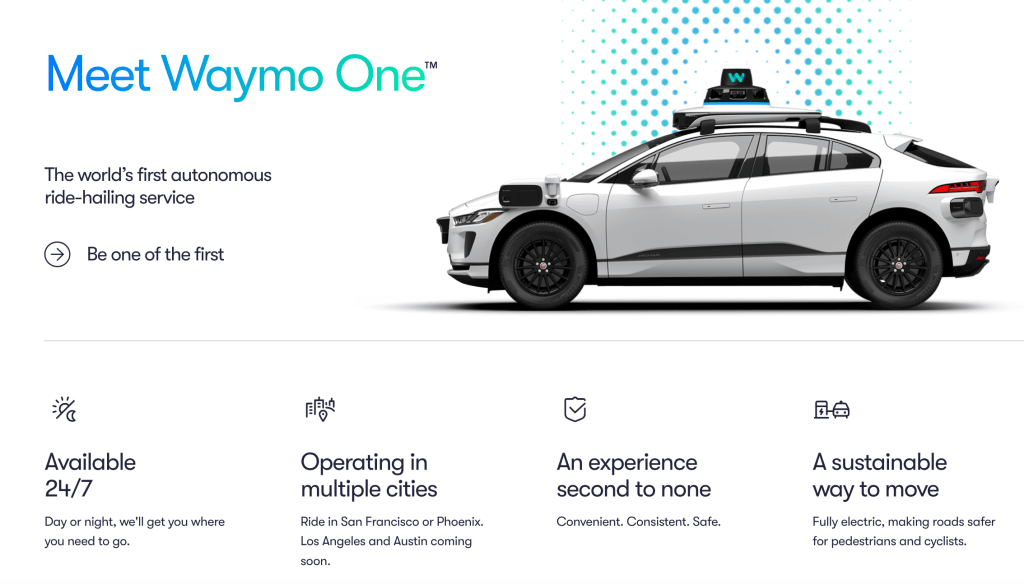
Waymo, a leader in autonomous vehicle technology, represents the future of mobility with its self-driven cars. These vehicles leverage advanced AI and sensor technologies to navigate roads autonomously, promising safer and more efficient transportation solutions. As Waymo continues to refine its technology and expand its fleet, the potential impact on reducing traffic accidents and improving traffic flow becomes increasingly evident.transportation is smarter, safer, and more sustainable than ever before.
Uber’s Innovation: Shaping the Future of Urban Mobility
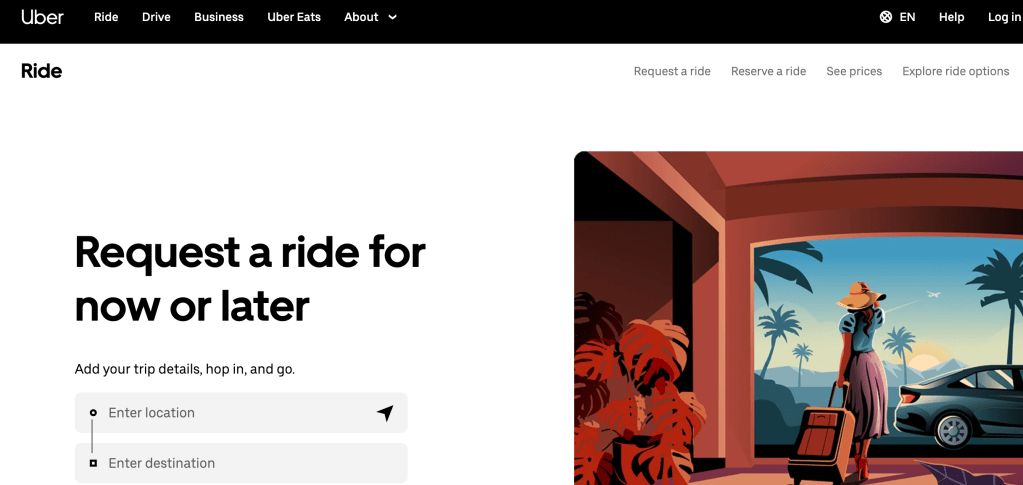
Uber has consistently been a driver of innovation within the transportation sector. From the introduction of ride-sharing to exploring new avenues such as air taxis and food delivery, Uber continues to redefine urban mobility. By leveraging technology to enhance user experience and efficiency, Uber remains a key player in shaping the future of how people move within cities worldwide.

Lyft’s Rides for Women: Redefining Safety and Inclusivity
In a world where safety concerns remain paramount, Lyft’s introduction of rides specifically for women addresses a crucial need. This initiative not only enhances safety but also promotes inclusivity within the ride-sharing community. By offering a service where women can feel more secure during their travels, Lyft sets a precedent for other companies to prioritize customer comfort and safety in innovative ways.

The automotive industry evolves through innovation improving functionality and addressing societal needs like safety, sustainability, and inclusivity. Companies like Lyft, Waymo, Tesla, and Uber lead with groundbreaking initiatives, promising a future of autonomous vehicles and smart infrastructure for a more connected, efficient, and sustainable world. Collaboration between technology, industry, and society will drive transformative change in automotive.







 pallaviposts.com
Leave a reply to Rupali Seth Sahdev Cancel reply