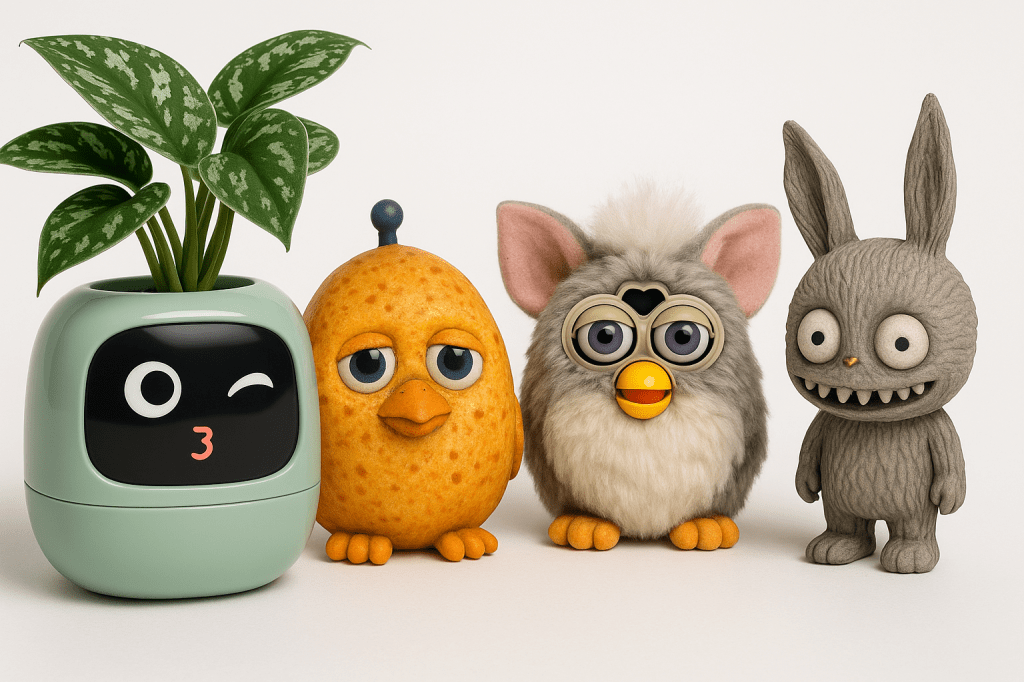
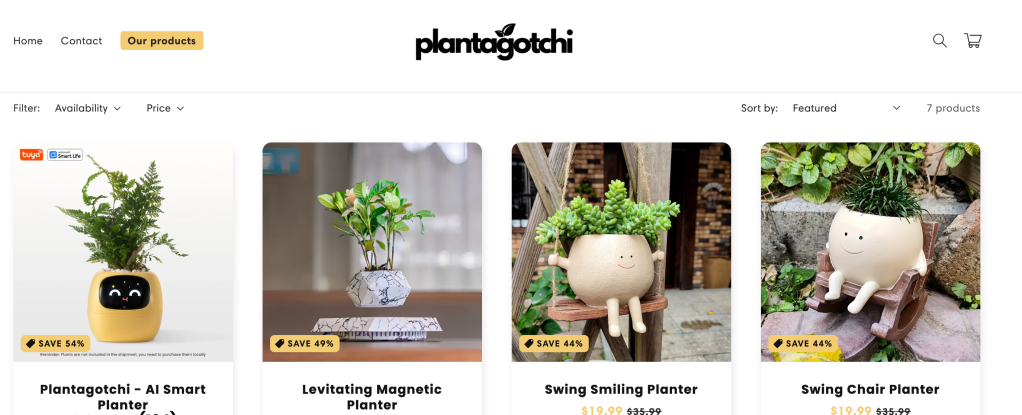
I’ve never managed to keep a windowsill plant alive. Not once. But then came Plantagotchi, a digital houseplant that wilts, pouts, and even cries when you forget to water it. Suddenly, I cared.It didn’t just sit there like another passive app or pixelated decoration. It nudged me, emotionally. And strangely, it worked. That’s the power of emotional design.

The Rise of the Oddball Object
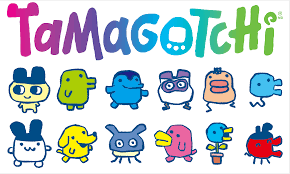
Give me a glitchy Furby, a beeping Tamagotchi or even one of those spongey dinosaur eggs that hatches in a bowl of water and suddenly I’m invested. These products don’t just function, they feel. They interrupt our routines, spark wonder, and create unexpected intimacy.Tamagotchi beeped at the most inconvenient times. Furby spouted unsettling gibberish and blinked like it knew something you didn’t. Labubu looks like it crawled out of a fever dream and yet, it’s proudly displayed on collector shelves. And yes, those grow-in-water dino eggs? They cracked open more than foam creatures they cracked open curiosity and anticipation.
These weren’t utilitarian. They were emotional provocations. They triggered care, curiosity, even discomfort and through that, connection. That’s powerful branding.
The Stats Behind the Emotion
Tamagotchi has sold 88 million+ units worldwide since 1996. Its 2021 relaunch (Tamagotchi Pix) sold out in multiple countries within weeks. Furby moved over 40 million units in its first 3 years. It’s now a TikTok darling, with #FurbyTok trending past 100M+ views. Labubu and the collectible toy market helped Pop Mart soar to $900M in revenue in 2023, growing over 300% since 2019.Plantgotchi, while niche, hit 250,000+ downloads in year one with 60% of users checking on it daily.
And this isn’t just cute anecdote fodder there’s science behind it. Adobe’s 2022 UX study found that products with expressive, anthropomorphic features were 23% more likely to be retained and talked about. A 2023 McKinsey report showed that brands evoking emotional attachment grow revenue 1.5x faster than their competitors.
The Brand Strategy Takeaway
We live in a world where every product tries to optimize, streamline, and “fit in.” But the ones that win? They break the script. As leaders, marketers, and designers, our job isn’t just to create polished perfection. It’s to design for emotion. For friction. For that split-second moment when someone goes: “Wait did my plant just cry?” Or “Is that egg actually hatching?” Because what sticks isn’t what’s functional it’s what’s felt.
Design for the weird. Create for the irrational. Build for the unexpected.Because the future of brand strategy isn’t perfectly engineered. It’s deeply human, wonderfully odd, and emotionally unforgettable.




Leave a Reply