
When one thinks of Japan, the image of serene, minimalistic design often comes to mind, evoking a sense of calm and order. Yet, Japanese design principles are more than mere aesthetics; they are deeply rooted in values that have evolved over centuries. My visit to Japan last summer mesmerised me in the way I saw these principles influence some of the most successful corporations in the world. By weaving these philosophies into their operational fabric, these giants have set new benchmarks for innovation and sustainability.
Order in The Tokyo Subway System

The Tokyo subway system exemplifies Japan’s commitment to order and cleanliness, reflecting the nation’s broader cultural values. This meticulous attention to detail ensures a seamless and pleasant experience for commuters. Applying similar principles in the corporate environment leads to a well-organized, efficient workplace. Clean, orderly spaces boost employee morale, enhance productivity, and reduce stress. Businesses can learn from the Tokyo subway system by prioritizing cleanliness and order in their daily operations.
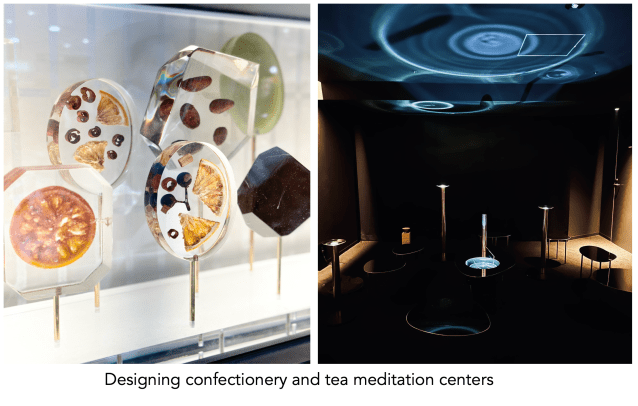
Innovative Instructional Design & Musical Toilets


Japanese instructional design emphasizes personalized learning, practical application, and continuous improvement. Leveraging advanced tools and collaborative techniques, Japanese instructional design fosters an engaging and effective learning environment. Japanese musical toilets, a testament to the country’s innovative spirit, combine functionality with entertainment. These state-of-the-art fixtures feature integrated music systems that play soothing melodies, ensuring a pleasant and private experience for users. Beyond comfort, Japan also promote hygiene and environmental sustainability, equipped with advanced flushing systems and eco-friendly designs. This unique blend of technology and culture exemplifies Japan’s commitment to enhancing everyday experiences through innovation.
Wabi-Sabi: Embracing Imperfection
The Japanese embrace imperfection and the transient nature of life. In the corporate realm, this principle fosters a culture of continuous improvement and adaptability. Toyota’s famed production system epitomizes Wabi-Sabi through Kaizen, the practice of continuous, incremental improvements. By accepting that perfection is unattainable, Toyota cultivates an environment where employees are motivated to identify and implement small, yet impactful, changes. This philosophy not only enhances efficiency but also boosts employee morale and engagement, creating a resilient and dynamic workplace.

Minimalism : Ajinomoto’s Method to Clarity
Ajinomoto, a leader in the food and biotechnology sectors, exemplifies how Japanese principles can drive innovation. Rooted in minimalism, Ajinomoto emphasizes simplicity in its product formulations, enhancing natural flavors with fewer additives. This strategy not only appeals to health-conscious consumers but also aligns with sustainable practices by reducing waste and promoting natural ingredients. Ajinomoto’s commitment to simplicity and innovation showcases how traditional principles can spur modern breakthroughs.

The Kawaii Aesthetic: An Endearing Approach
The Kawaii aesthetic, meaning “cute” or “adorable,” plays a significant role in corporate marketing and product design. Sanrio, the creator of Hello Kitty, has mastered the use of Kawaii to create engaging and emotionally appealing products. Incorporating Kawaii elements makes brands more relatable and endearing to consumers, fostering strong emotional connections and driving customer loyalty. This strategy is particularly effective in industries like retail and entertainment, where consumer engagement is crucial.

Kyosei: Living and Working for the Common Good
Canon’s corporate philosophy, Kyosei, translates to “living and working together for the common good.” This principle underscores corporate social responsibility and harmonious coexistence with society and the environment. Canon integrates Kyosei into its core operations, prioritizing sustainability by reducing its carbon footprint and promoting recycling. Embracing Kyosei allows businesses to build strong, trust-based relationships with stakeholders and contribute positively to society, thereby enhancing brand reputation and customer loyalty.

Omotenashi: Exceptional Customer Service
Omotenashi, the philosophy of wholehearted hospitality, transcends mere customer satisfaction to anticipate and fulfill customer needs with genuine care. Luxury hotels like The Ritz-Carlton have successfully integrated Omotenashi into their service ethos, ensuring an unparalleled guest experience. Adopting Omotenashi enables businesses to differentiate themselves through superior customer service, leading to increased customer retention and positive word-of-mouth.
Ikigai: Purpose with Passion
Ikigai, meaning “reason for being,” encourages individuals to find purpose and passion in their work. In the corporate world, fostering a sense of Ikigai among employees can result in higher job satisfaction and productivity. Companies like Uniqlo promote a culture where employees are encouraged to find personal and professional fulfillment through their work. Aligning business goals with employees’ passions and values creates a motivated and dedicated workforce.

Japanese design principles offer profound insights that can transform the corporate world. Embracing imperfection with Wabi-Sabi, fostering harmony through Kyosei, enhancing focus with minimalism, and driving innovation through simplicity like Ajinomoto are just a few ways these timeless concepts can benefit modern businesses. By integrating these principles, companies can create more humane, efficient, and socially responsible corporate environments. As demonstrated by industry leaders like Toyota, Canon, and Sony, the fusion of traditional Japanese aesthetics with contemporary business practices can lead to enduring success and positive societal impact.








 pallaviposts.com
Leave a comment