
“Why are you smiling?” asked the flight attendant as I handed over my boarding pass. Surprised, I replied, “I always smile. It’s a habit.” This brief interaction highlights a stark reality: in today’s world, smiles seem as rare as spotting a unicorn. Why does it seem that smiling has become a lost art in boardrooms? Is happiness the new offense?

The Vanishing Grin
My one guess is culturally smiles mean different things and have connotations. Culturally in many East Asian societies, a smile often accompanies a downward gaze or a modest bow, reflecting values of respect and restraint. In contrast, Western executives might suppress their smiles, opting for a stern expression to project authority. Leaders like Apple’s Tim Cook and Microsoft’s Satya Nadella, however, demonstrate that strategic smiles can balance warmth with professionalism, humanizing them without undermining their authority.
The Digital Disconnect
The shift to remote work on platforms like Zoom and Google Meet has altered the dynamics of how we communicate, with pixelated smiles and emojis replacing the warmth of face-to-face interactions. The essence of a genuine smile is often lost, relegated to a simple “:)” in digital communications, a fleeting smirk on the screen.

The Masked Smile
The pandemic physically masked our smiles, shifting cosmetic focuses from lips to eyes. Brands like EyeGlow Cosmetics capitalized on this by enhancing features that express emotions when smiles are hidden. Despite this, research underscores the importance of smiling—not only does it enhance moods, but it also serves as a powerful business tool, fostering trust and improving negotiation outcomes. Companies like Amazon and Southwest Airlines leverage the simple smile to bolster brand warmth and customer loyalty.

Gloomy Narratives Overshadow Happy News
Our media landscape often highlights negative events—political strife, economic crises, and social unrest dominate headlines, reinforcing a societal focus on challenges rather than positive developments. Popular media, including films like “The Hunger Games” and shows like “Black Mirror,” often depict dystopian futures, echoing and amplifying public anxieties.

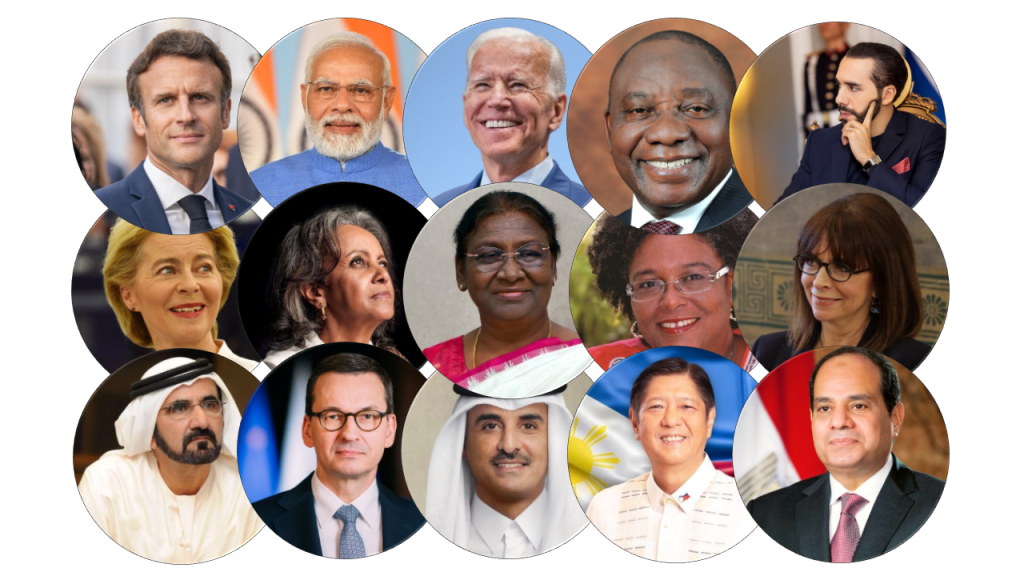
Smiling Leaders on the World Stage
Leaders like Nelson Mandela have harnessed the power of a warm smile as a diplomatic tool, breaking down barriers and warming hearts worldwide. His legacy demonstrates that effective leadership transcends issuing commands; it’s about forging genuine connections.
Reviving the Smile in Professional Settings
How can we reintroduce the smile into our daily professional interactions?
- We can make a deliberate effort to smile during meetings and casual interactions. A smile can transform the energy of a room, enhancing collaboration and friendliness.
- We can further ensure workplace culture where smiles are not just accepted but encouraged. This can boost employee satisfaction and decrease stress levels.
- If you hold a leadership role, integrate smiling into your leadership style. It’s an effective tool for motivation and can help defuse tense situations.
- You can also reward and acknowledge positive demeanors. When professional success is associated with a positive attitude, smiles become more prevalent.
A smile is more than social nicety—it’s a catalyst for positivity and connection in our often impersonal world. By making a smile a norm again, we can illuminate not just corporate corridors but every interaction we have.







Leave a Reply