
Years ago, during an interview at a digital marketing agency in New Delhi, I encountered a thought-provoking question. The written test for a copywriter read: “Describe the color red to someone blind.”
The question prompted a brief pause as I gathered my thoughts. Conveying a visual concept to someone without sight was a daunting challenge.I began by contemplating the emotional essence of red. “Red,” I started slowly, “is the color of the blood that flows through your body. Red is a color of deep love and also deep anger. It is the color of fire and heat and the color of caution…”
Leaving the interview room, I couldn’t shake the feeling of having navigated a distinct challenge—one that tested not only my ability to craft compelling copy but also my capacity to empathize and connect through language. I realised red is not just a color; it is an experience.
Red, a primary color in the visible spectrum, holds significant importance in various domains such as culture, psychology, art, and science. Its wavelength ranges from approximately 620 to 750 nanometers, making it one of the longest wavelengths of visible light discernible by the human eye.
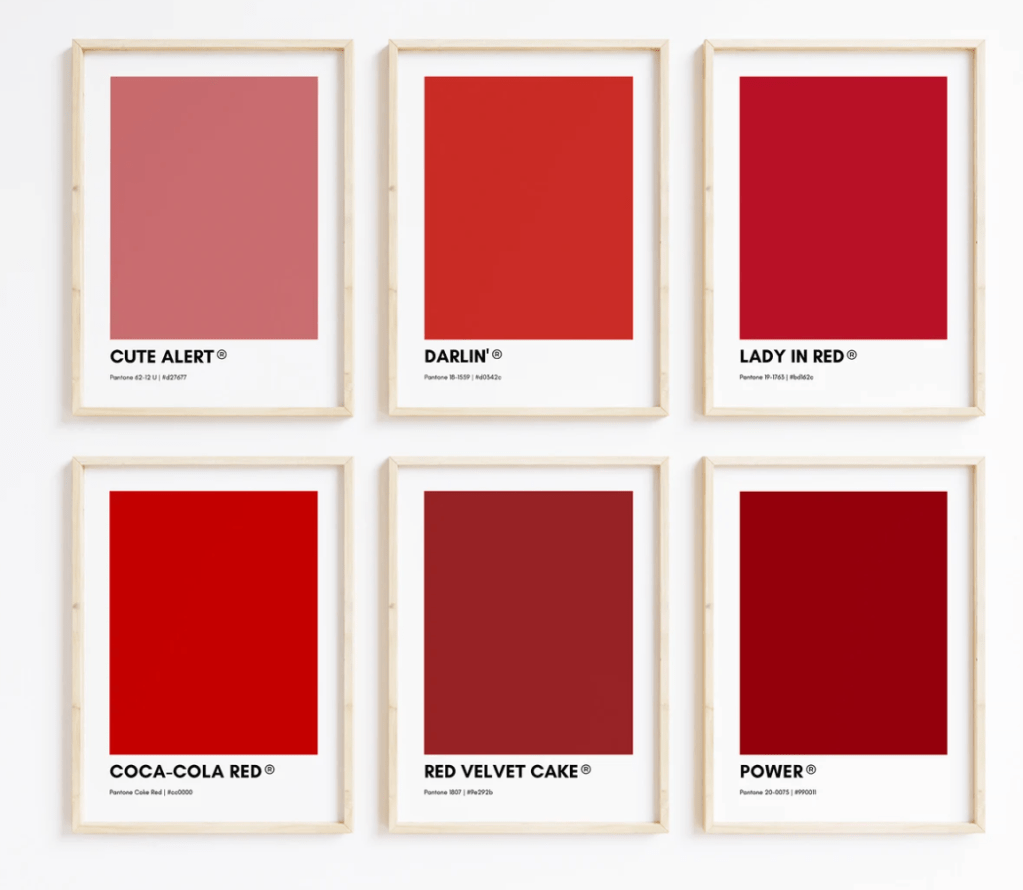
Think of the taste of ripe strawberries, bursting with sweetness and juiciness, or the aroma of freshly bloomed roses, filling the air with their heady perfume.Red is a color that commands attention, demanding to be felt, heard, and experienced in all its glorious intensity. We see it in the seduction of lipsticks, we see it in the boldness of Netflix, Target, Red Bull.


.

Red is deeply ingrained in many cultures and traditions worldwide. In Western societies, it is frequently used in contexts like Valentine’s Day and weddings. Conversely, it can also represent warning, and aggression, evidenced by its use in traffic signals and emergency alerts.In many Eastern cultures, particularly in China, red is a symbol of good fortune, happiness, and prosperity. It is prominently featured in festivals, weddings, and other celebratory events. During the Chinese New Year, red decorations and envelopes are ubiquitous, symbolizing the ushering in of good luck and warding off evil spirits.

Colgate uses red as a prominent color in its branding for several strategic reasons: Red is a highly visible color that stands out on shelves and in advertising. It helps Colgate products catch the eye of consumers quickly. Red has a brand association with energy, excitement, and warmth. For Colgate, this can convey qualities like freshness, vitality, and effectiveness in dental care. Red can also evoke feelings of trust and confidence for a brand that has been around for 100 years. In the context of oral care products, where effectiveness and reliability are crucial, red can reinforce these qualities in consumers’ minds. It can stimulate appetite and create a sense of urgency, which can be beneficial in marketing toothpaste and related products. Colgate’s use of red aligns with both the practical aspects of brand visibility and the emotional associations that are important in consumer decision-making.

The color red has a profound psychological impact, influencing human behavior and emotions. It is known to stimulate the senses, increase heart rates, and evoke feelings of excitement and urgency. This stimulation is why red is often used in marketing and advertising to grab attention and encourage action, such as in sale signs and call-to-action buttons.However, red’s stimulating properties can also have negative connotations. It can evoke feelings of anger, stress, and even hostility. Studies have shown that exposure to red can enhance physical performance and competitiveness, but it may also impair cognitive tasks by increasing anxiety levels.
In the realm of art and design, red is a versatile and powerful color. Artists use red to convey strong emotions and draw viewers’ attention. Throughout art history, red has been used in various ways, from the vibrant red robes of Renaissance portraits to the intense, abstract expressions of modern art. In the Renaissance period, bright reds were used to draw attention to the most important figures in a painting. A great example of this is The Assumption (1516-1518) by Titian, a painting in which the figures of God, the Virgin Mary and two apostles are highlighted by their vermillion robes.Red is also a key color in design and fashion, often associated with luxury, power, and sophistication. Designers use red to create bold statements, evoke sensuality, and signify confidence.
Scientific Aspects
From a scientific perspective, red’s position at the longer wavelength end of the visible spectrum means it is less scattered by particles in the atmosphere, which is why we see red hues during sunsets and sunrises. The scattering of shorter wavelengths (blue and violet) away from the line of sight leaves the longer red wavelengths to dominate the sky.
In terms of biology, red is a significant color in the animal kingdom. Many animals use red for warning signals to deter predators or attract mates. For instance, the bright red coloring of some poisonous frogs serves as a deterrent to potential threats.
Symbolism and Associations
Red is rich with symbolism and associations that vary across different contexts:Red roses, hearts, and other symbols of romantic love.Stop signs, fire trucks, and hazardous materials. National flags, sports teams, and corporate branding.Red is associated with blood, symbolizing life and vitality in many cultures.
The color red, with its extensive range of meanings and implications, is a powerful and multifaceted element in human perception and society. Whether in art, culture, psychology, or science, red remains a color that commands attention and evokes a wide spectrum of emotions and reactions. Its dynamic presence continues to influence and inspire, making it an integral part of our visual and symbolic landscape.






 pallaviposts.com
Leave a comment