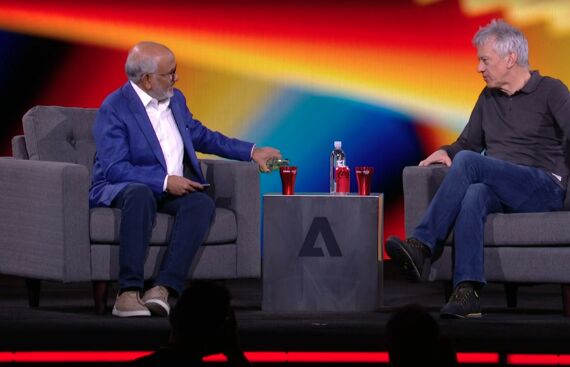
The Adobe Max Conference last week was incredible, and I couldn’t help but be mesmerized by Adobe Ai Firefly. To lay context, albeit in its beta stages, Adobe Creative Cloud’s latest offering explores Generative AI Art. It is looking at ways to ideate, create, and communicate. But what could this mean for our future? Here are some of my personal views on possibilities that arise!
1. All of us will become visual communicators.
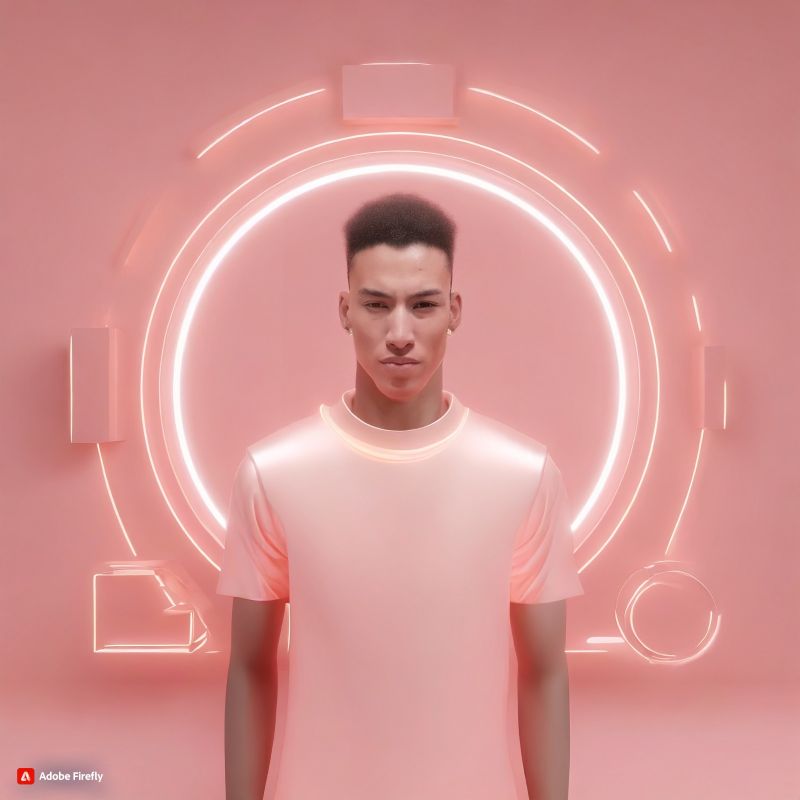
That’s right! We are already seeing early traces of this, but we will have greater democratization of creativity. Generative AI art will allow individuals with varying artistic skill levels to engage in the creative process to communicate. It’s provided tools and integration into Photoshop, and Lightroom will make it more accessible to a broader range of people, regardless of their artistic background or ability. You may be a journalist writing a political or cultural piece and need a power visual to go with it? with a tool like Adobe Firefly, you could generate an image that supports your writing in seconds.
2. The more you prompt it, the more you will personify.
With “text to image” you can generate prompts on Adobe Firefly, and there will be a clever way to improve the quality of visual content to be more personable. The more we feed into the prompts, the more extraordinarily vibrant the photographs will become — if you don’t like the results, reword your prompt to get closer to what you want.
3. Script revival and preservation of famous works :
Generative AI art could be beneficial in reconstructing the contemporary context of artwork. Have you ever felt like you did not like a particular element of a photograph? Perhaps you wanted to alter the reality, reviving cultural artifacts and making them accessible to future generations. How will museums fix excellent digital archives?
4. Embracing regional language communication :
Instructional design often needs to be more localized to specific regions. Could we in a future see text effects in endangered or less commonly spoken languages? Generative AI art could generate content in these languages, helping to revive and promote them. AI Art can also assist in recreating scripts and written content from ancient languages.
5. Goodbye copyright, hello trademark :
The rise of generative AI art will raise profound ethical and philosophical questions. Issues related to copyright, ownership, authenticity, and the impact of AI on traditional art markets will continue to be debated. We will see more smart contracts, NFTs generated, etc. Philosophically, it will challenge our understanding of human creativity, agency, and the definition of art itself.



 pallaviposts.com
Leave a comment